
In an effort to increase diversity in health economics, the American Society of Health Economists (ASHEcon) is offering scholarships aimed at underrepresented minorities and/or individuals whose background or life circumstances indicate they have overcome substantial obstacles (e.g., first generation college student, disabled individuals, racial and ethnic minorities, LGBTQIA+ individuals). The scholarships enable the recipients to attend the annual ASHEcon conference, where they will have the opportunity to network with each other and with members of the ASHEcon Board and Diversity Committee, recognizing them, their accomplishments and bright futures.
Congratulations to the 2026 Recipients!

Folashayo Adeniji
Georgia State University
Folashayo is a health economist, researcher, and professor specializing in the economics of non-communicable diseases and tobacco use. He has worked with international organizations, including the World Health Organization, serving as a national consultant on tobacco price and taxation data in Nigeria. His research explores the economic burden of diseases and informs policy interventions that reduce health disparities, improve access to care, and support effective, evidence-based public health strategies.
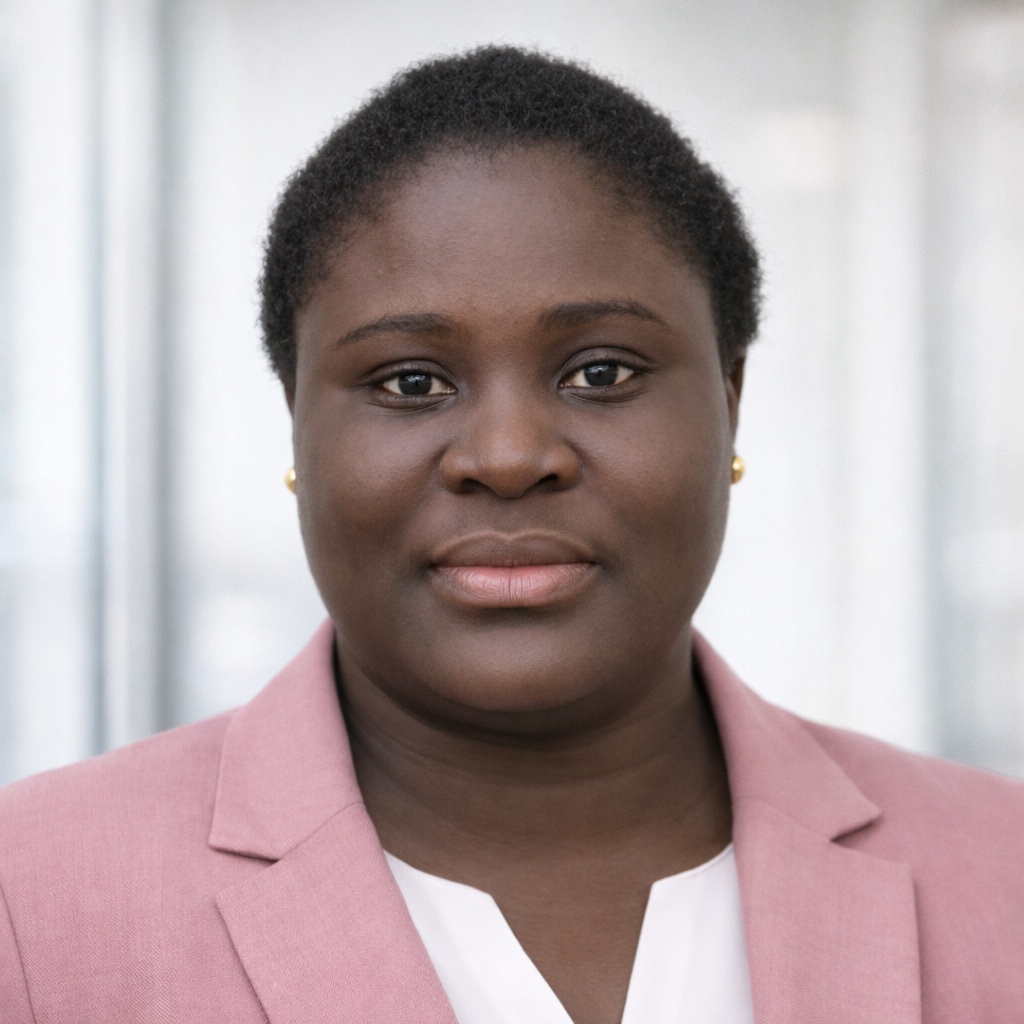
Auderta Amoako-Nuamah
West Virginia University
Auderta Amoaka-Nuamah is originally from Ghana. She earned her MS in mathematics at Youngstown State University and is currently a PhD candidate in Economics at West Virginia University. She is on the 2025-2026 job market. Her research uses household microdata and applied econometric methods to study inflation measurement and cost-of-living difference — especially for older households — as well as questions in health and labor economics, including how maternal employment relates to child well-being.
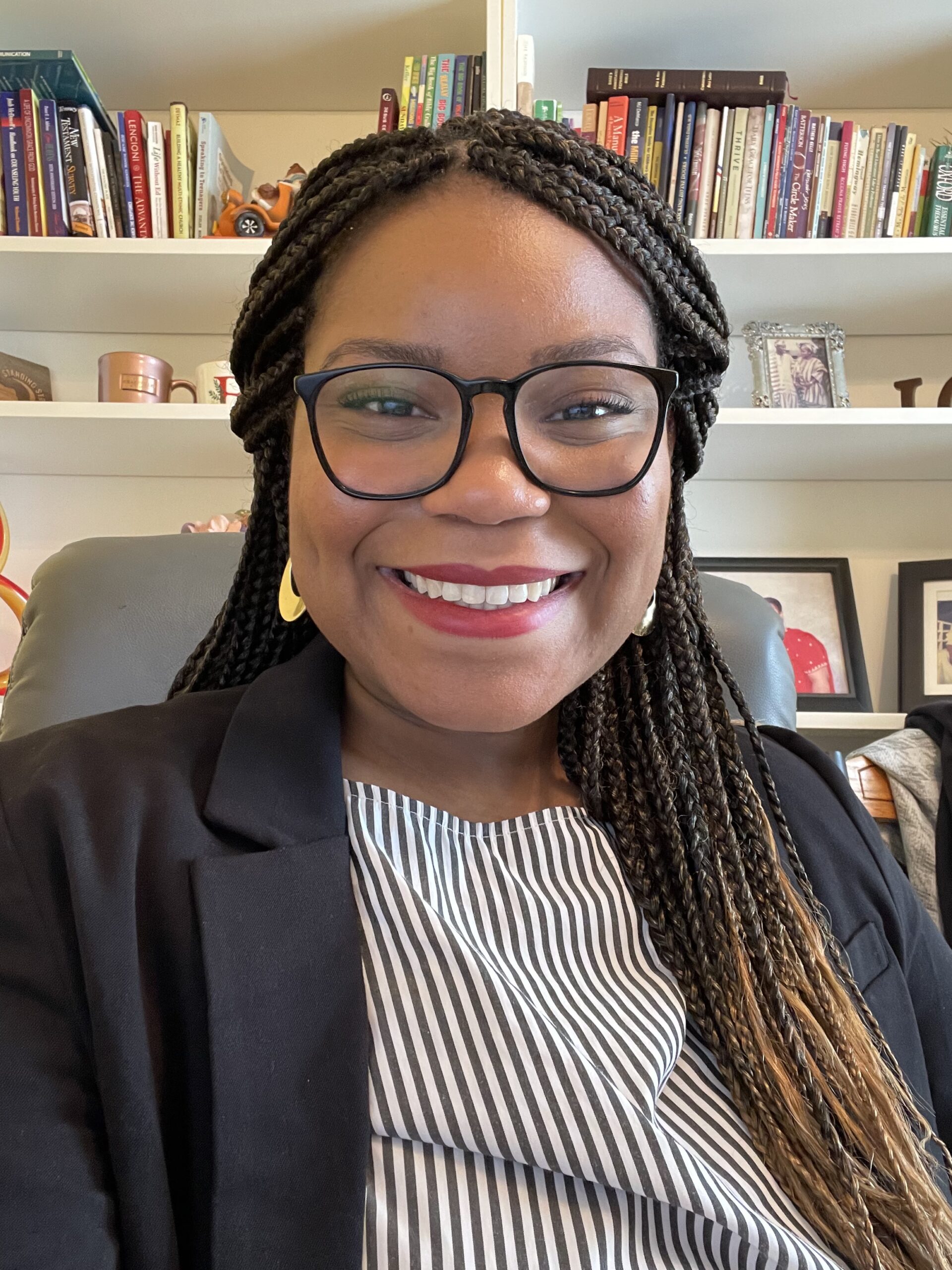
Towo Babayemi
Harvard University
Towo Babayemi is a PhD candidate in Health Policy at Harvard University. Her research focuses on Medicaid, maternal health, immigrant health, and access to care for marginalized populations, with a particular interest in how public policy shapes coverage and health outcomes. Before beginning her doctoral studies, she earned an MPH in Healthcare Management from UTHealth Houston and a BS in Neuroscience from The University of Texas at Dallas. Towo has held research and policy roles at the Congressional Budget Office, MD Anderson Cancer Center, and The Economist Group.
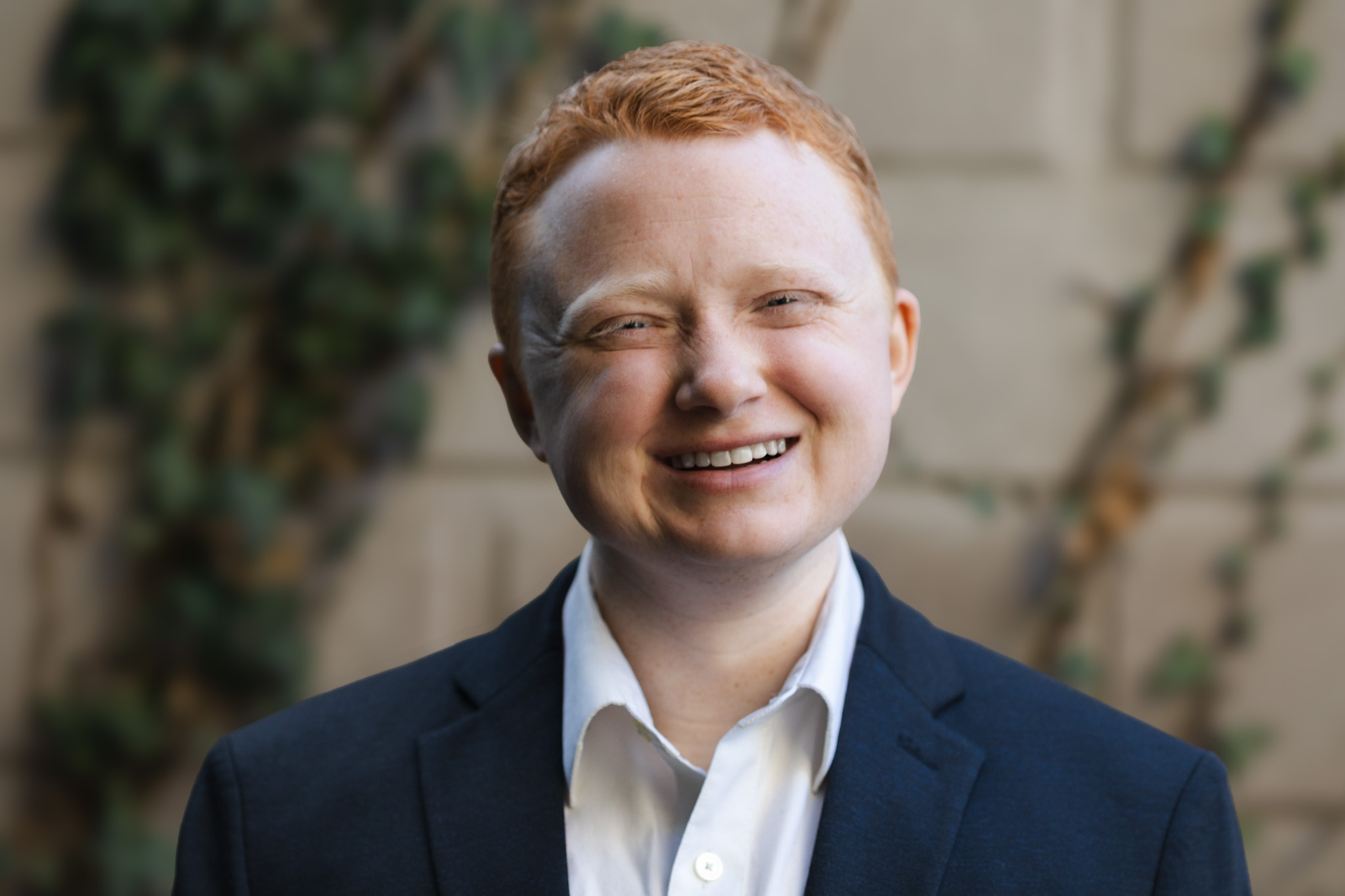
Gray Babbs
Brown University
Gray Babbs is a PhD candidate in health services research at the Brown University School of Public Health. He employs econometric and epidemiological methods to uncover and dismantle barriers to high-quality care for chronic diseases and mental health conditions, leveraging large administrative and clinical datasets. He has developed particular expertise in transgender and intersex population health. Before his research at Brown, Gray received an MPH in epidemiology and biostatics from Boston University and a BA in biology from Carleton College.
Em Balkan
Brown University
Em Balkan (they/them) is a fourth year PhD Candidate in Health Services Research at Brown University School of Public Health. Their dissertation examines how Medicare Advantage and Medicaid enrollment impact Medicare beneficiaries’ health outcomes. From 2013 to 2018, they worked at the Medicare Rights Center in both the Client Services and Policy Departments. From 2018 to 2022, they worked as the Senior Policy Analyst at the New York City Council for the Health Committee and Hospitals Committee.
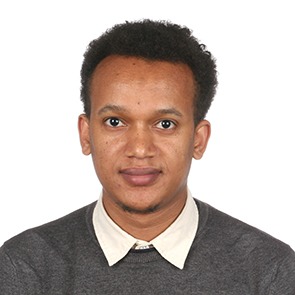
Afriem Belete
University of Trieste
Afriem Behailu Belete is a final-year PhD candidate in Circular Economy at the University of Trieste, Italy, and currently a visiting research scholar at the University of Southern California (USC). His background includes serving as a lecturer of economics at Haramaya University in Ethiopa. Afriem’s research interests lie at the intersection of public economics, health economics of aging, applied econometrics, and development economics. He holds a B.A. and an M.Sc. in Economics (Economic Policy Analysis) from Addis Ababa University, Ethiopia, and is dedicated to using rigorous quantitative methods to improve health and social outcomes.
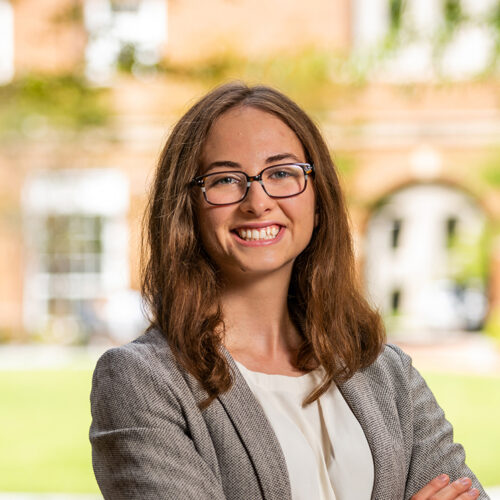
Abigail Cormier
University of Georgia
Abigail Cormier is a fifth-year economics PhD candidate at the University of Georgia. Her research lies at the intersection of health and labor economics, examining how health shocks and healthcare disruptions affect individuals, families, and communities. Using quasi-experimental methods, her job market paper estimates the causal impact of having a child with special healthcare needs on parental labor market outcomes and family formation. She also examines how behavioral healthcare access shapes health and economic outcomes.
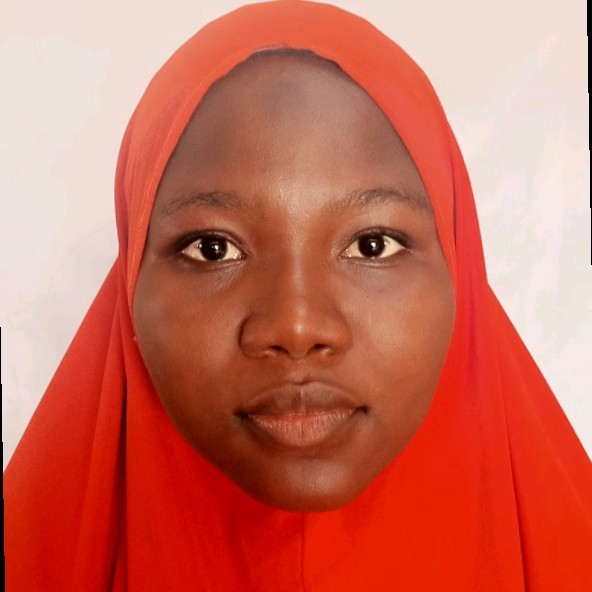
Ziyadat Ekundayo
Wayne State University
Ziyadat Ekundayo is a PhD student in Economics at Wayne State University. She completed her Masters degree in Economics at the University of Lagos, Nigeria, and earned her Bachelor’s degree in Economics from the University of Ilorin, Nigeria. Her research spans health economics and labor economics, with a focus on health shocks, family spillover effects, and the role of public policy in shaping long-term health and economic outcomes. Her work examines how paid family leave affect healthcare utilization, particularly among caregivers.

Miguel Antonio Estrada
University of Georgia
Miguel is a PhD candidate at the University of Georgia who studies public policy and health disparities. His work focuses on issues with significant implications for vulnerable populations in the U.S. and the Philippines, notably, addiction, health insurance, and health taxes. His research covers topics such as Medicaid managed care, substance use disorder treatment, and smoking-related policies. Miguel has years of professional experience working in various institutions, including the Philippine Congress and the world Health Organization.

Cal Chengqi Fang
University of Chicago
Cal Chengqi Fang is a PhD candidate in Health Services Research at the University of Chicago. His research documents how American hospitals, especially nonprofit ones, behave as financial and organizational actors, and what that means for patients and communities. He earned his bachelor’s degree in international politics and sociology from Peking University and a Master of Public Policy from the University of Chicago.
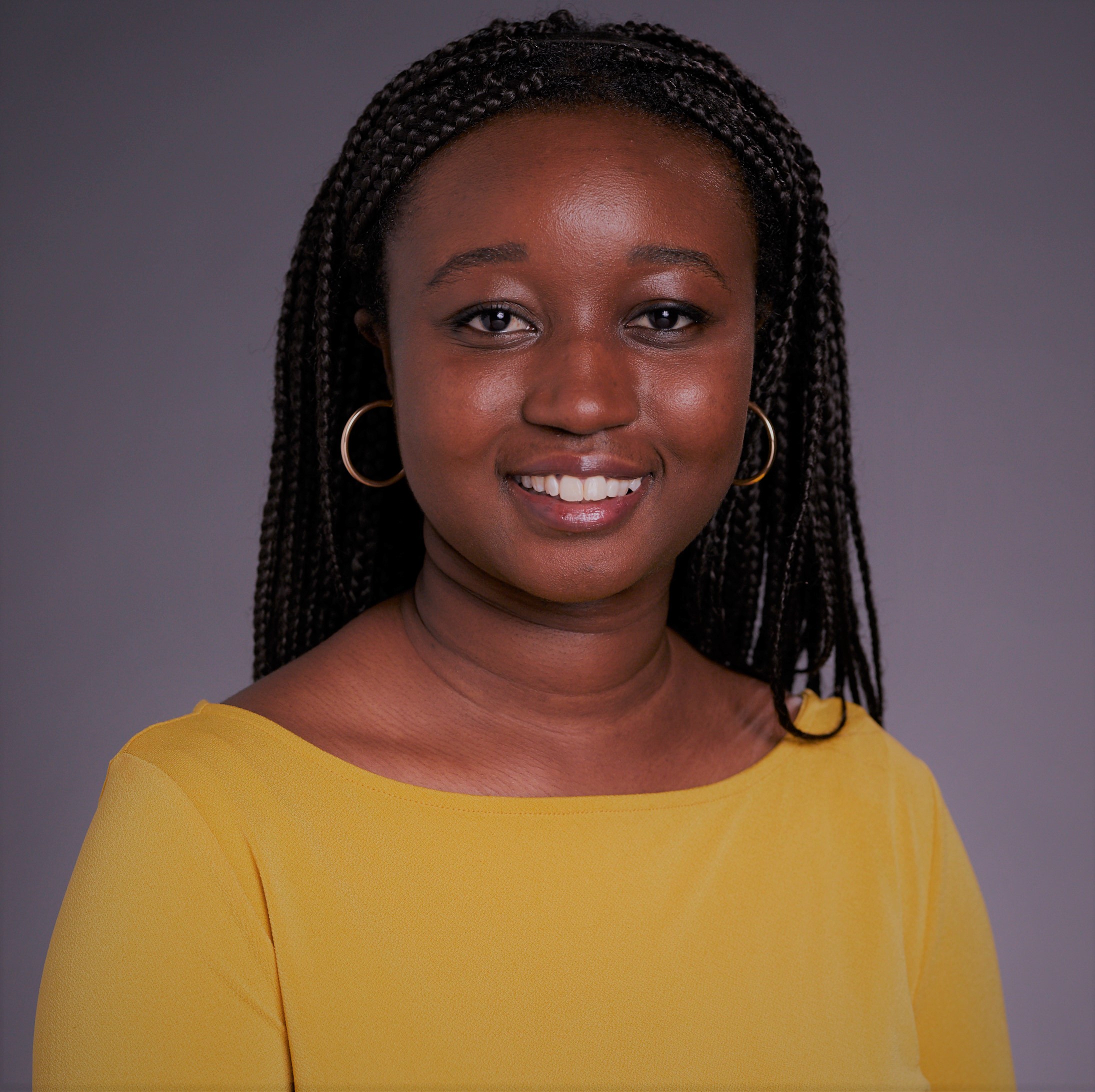
Marema Gaye
Harvard University
Marema Gaye is a fifth-year PhD student in Health Policy and Economics at Harvard University. Her research focuses on the economics of mental health care, with particular attention to clinician participation in public insurance programs and its implications for access, inequality, and mental health outcomes. Before beginning her PhD, she worked as a research associate at Harvard Business School and as a research project and data assistant at the Harvard T.H. Chan School of Public Health. She holds a BS in Economics from Arizona State University and an MA in Global Development Economics from Boston University.
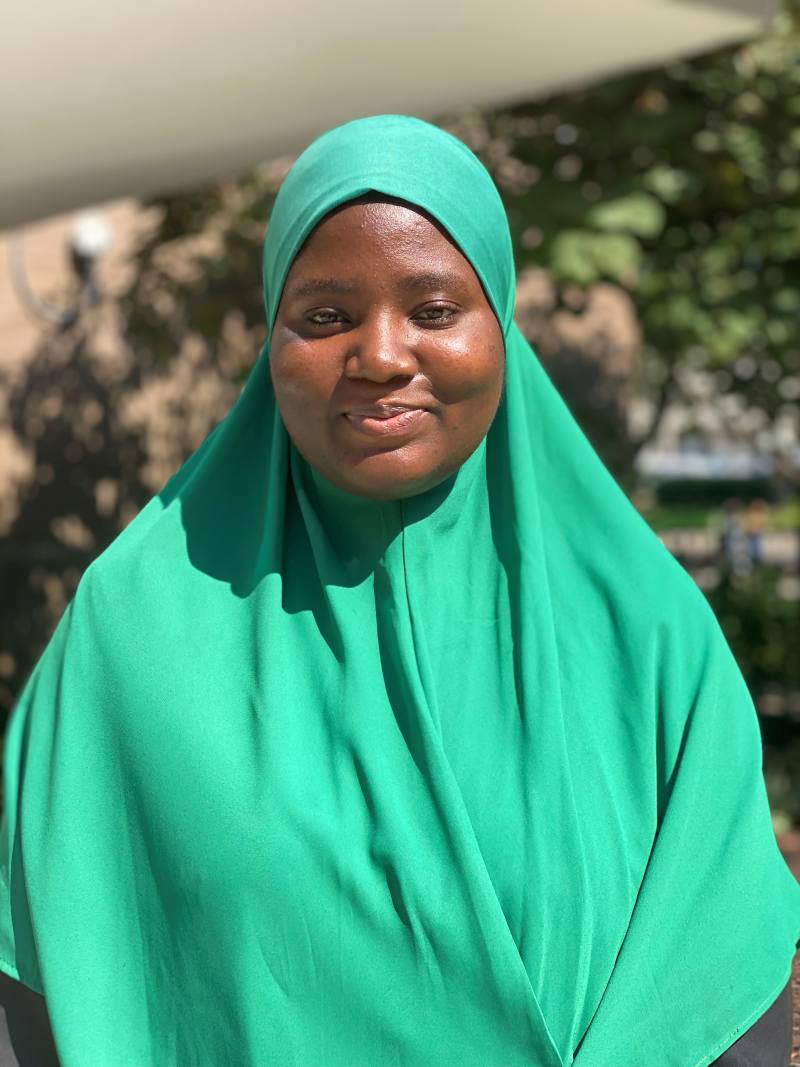
Balikis Kabir
Wayne State University
Balikis Kabir is a PhD student in the Department of Economics at Wayne State University, specializing in Health Economics. Before her Doctoral studies, Balikis earned her Bachelor’s degree in Agricultural Economics from the University of Ibadan, Nigeria. Following graduation, she worked as a research assistant at an econometrics research institute in Nigeria, where she gained formal training in applied econometric methods and empirical analysis.

Mitiku Kayamo
Indiana University Indianopolis
Mitiku K. Kayamo is a fourth-year PhD candidate in Economics, specializing in health economics and applied econometrics. He holds a Masters’ degree in Economic Policy Analysis and has over ten years of experience as a lecturer, researcher, and consultant. His work examines early-life health shocks and long-term educational outcomes in low-resource settings, with a focus on health equity and policy-relevant empirical research.

Md Mohsan Khudri
Austin College
Md Mohsan Khudri is an Assistant Professor of Economics at Austin College specializing in health economics and public policy. With over 15 years of experience in higher education, he holds a PhD in Economics from the University of Memphis and a B.S. and M.S. in Applied Statistics from the University of Dhaka. His research focuses on the identifying policy solutions that reduce health disparities and improve economic outcomes for vulnerable populations.
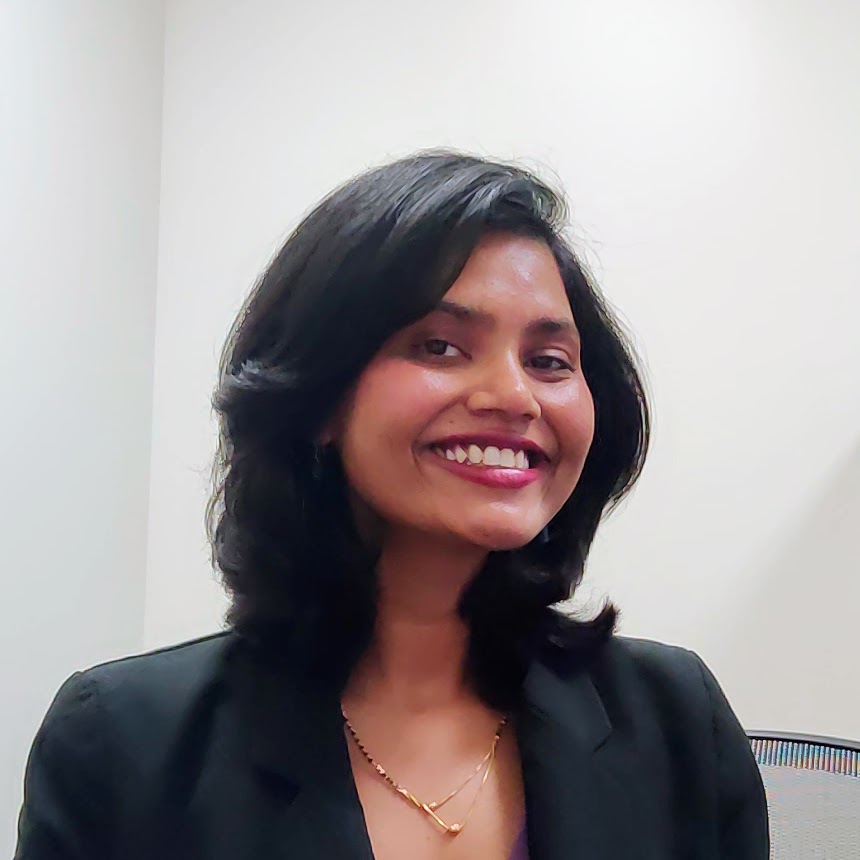
Tessie Krishna
San Diego State University
Tessie Krishna is a Postdoctoral Researcher at the Center for Health Economics and Policy Studies at San Diego State University. She received her PhD in Economics from Rutgers University in 2024. Her research sits at the intersection of criminal justice and health economics, examining how institutional reforms in juvenile justice shape long-run behavioral trajectories and how policies targeting risky substances generate spillovers across health, behavior, and markets. She is particularly interested in the distributional consequences of these policies across race, gender, and socioeconomic status.
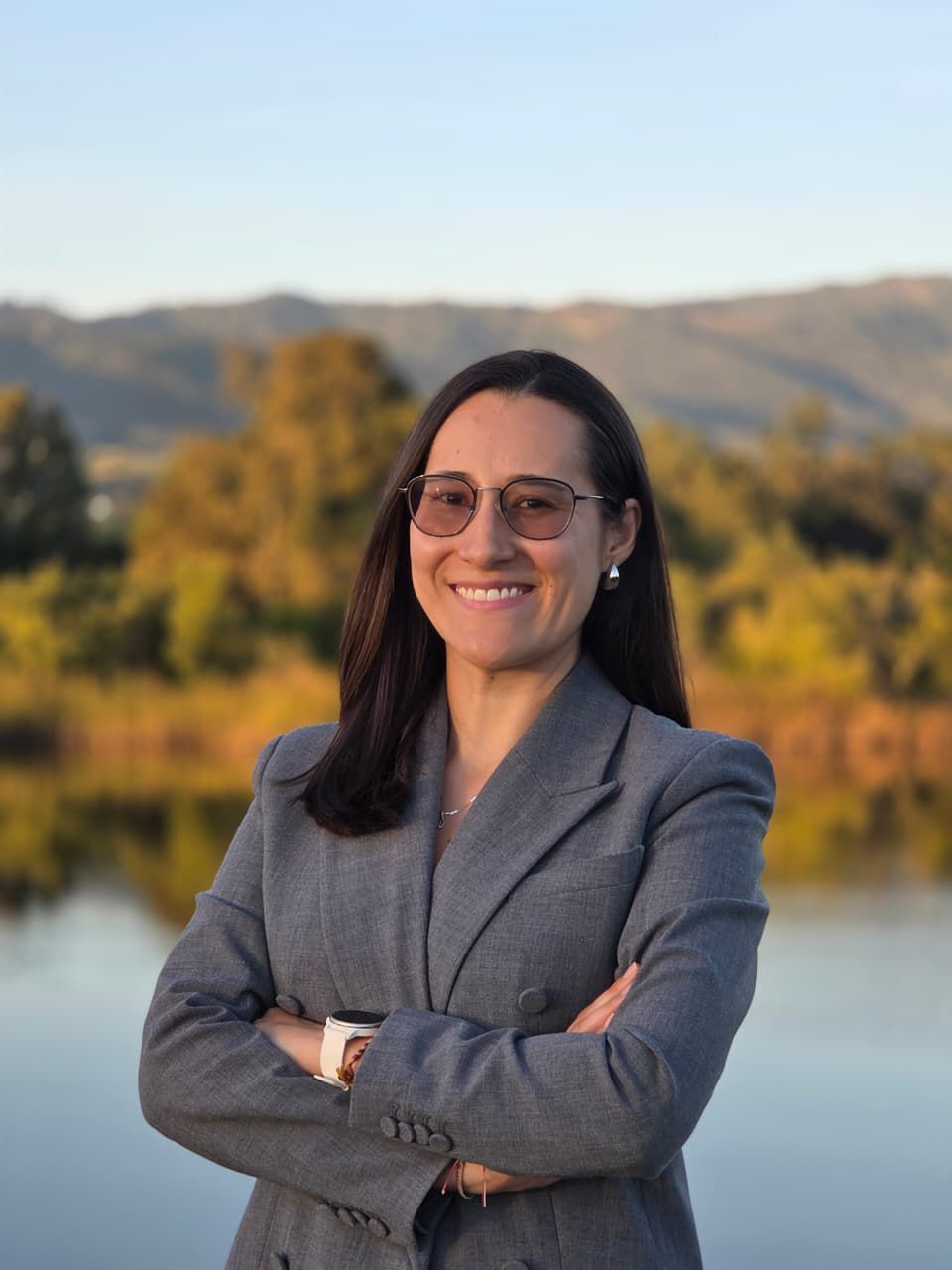
Susana Otalvaro Ramirez
University of California, Santa Barbara
Susana Otalvaro Ramirez is a PhD candidate in economics at the University of California, Santa Barbara. Her research studies how health policies and institutional constraints shape provider behavior, women’s health, and demographic change in the context of developing countries, with a focus on Colombia. Using administrative data and causal inference methods, Susana studies emergency care regulation, reproductive health access, and fertility dynamics. Before joining UCSB, she worked on political economy and Latin American development issues, which led her to develop an interest in how institutions shape incentives in health care provision.
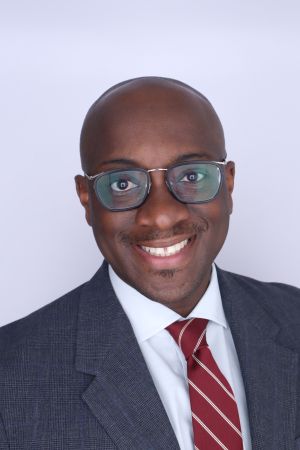
Nana Addo Padi-Adjirackor
Vanderbilt University
Nana Addo Padi-Adjirackor is a doctoral candidate in Health Policy & Health Services Research at Vanderbilt University. His dissertation examines the impact of municipal broadband on health and education outcomes. Informed by his work in local, federal, and global health, Nana Addo investigates how digital infrastructure drives equity. His research evaluates how technology shapes healthcare delivery, from telemedicine, and genetic services to large-scale health system policy.
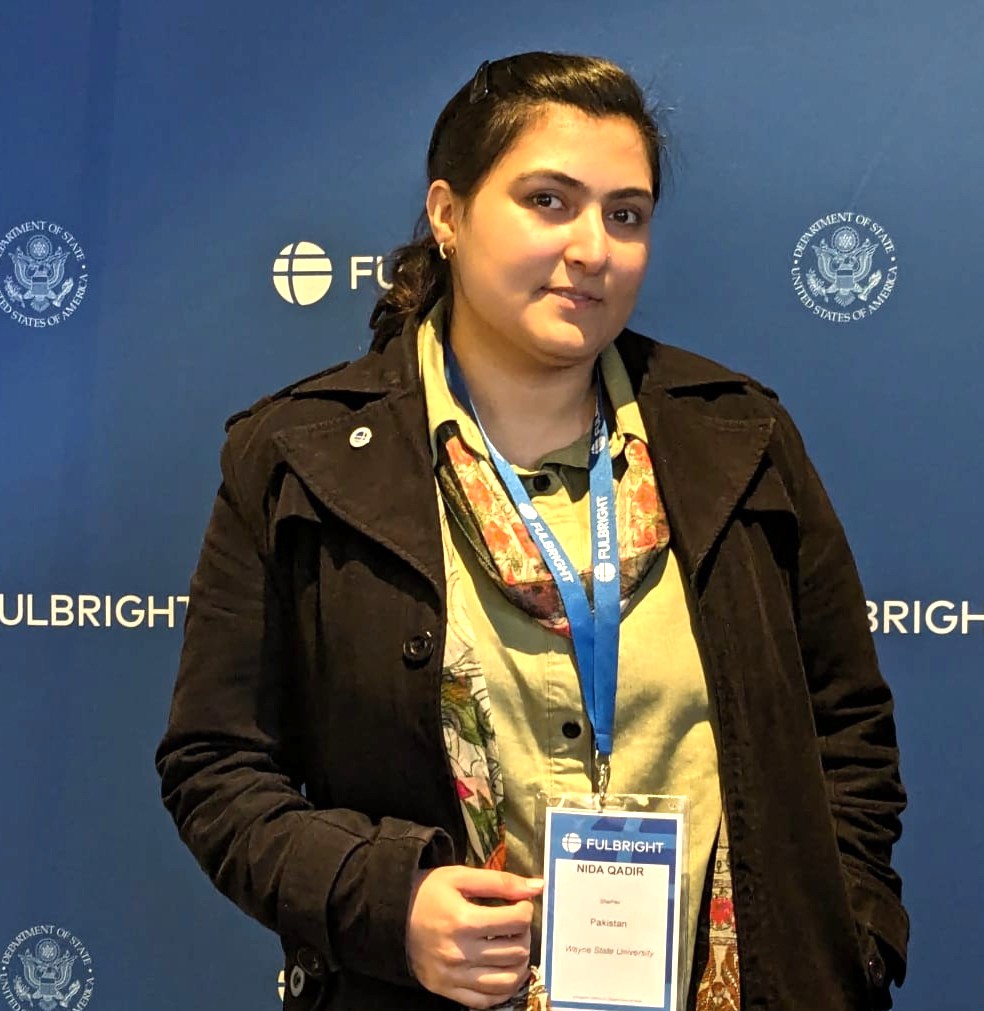
Nida Qadir
Wayne State University
Nida Qadir is a PhD student in Economics at Wayne State University and a recipient of the prestigious Fulbright Scholarship. Her research focuses on the impact of public health insurance policy and public policies on maternal and child health outcomes. She earned her Master’s degree in Economics and is currently on leave from her position as an Assistant Professor of Economics at Government College in Pakistan. Beyond her academic pursuits, she is an educator and exchange ambassador, and a proud mother of two children.
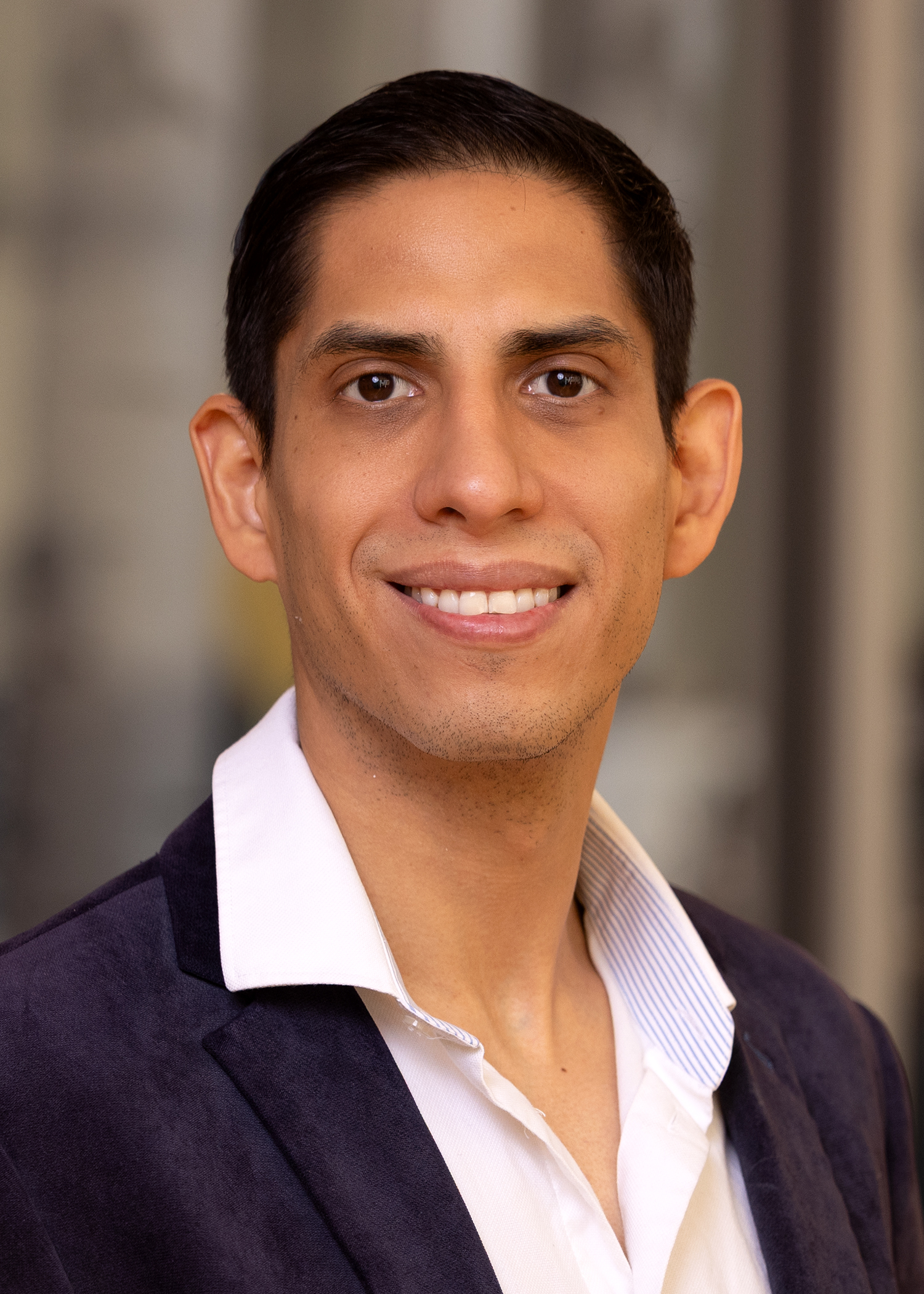
Alonso Quijano-Ruiz
University of Minnesota
Alonso Quijano-Ruiz is an international PhD student in Health Policy & Management at the University of Minnesota and Co-director if the Ecuadorian Development Research Lab, where he has secured grants to train young researcher from disadvantaged backgrounds. His research focuses on three areas: equity in primary care access, women’s health, and early childhood development. Currently, he has been working on the evaluation of Ecuador’s 2008 Health Reform, which expanded primary care centers across rural and peri-urban areas. He is also collaborating with Professor Gabriella Conti on a field experiment in Ecuador that evaluates the impact of technology-powered monitoring and information systems to support early childhood education.

Syeda Marjana Razzak
University of Kansas
Syeda Razzak is a PhD candidate in Economics at the University of Kansas and is a 2025-26 doctoral fellow at the Institute for Policy and Social Research (IPSR) at the University of Kansas. Her research lies at the intersection of health economics and labor economics, with a focus on women’s mortality. She examines how policies such as abortion access, education policy, and divorce laws influence women’s health and economic outcomes using large administrative datasets.

Zincy Wei
Northwestern University
Zincy Wei’s research focuses on health economics, using methods from microeconomics and development economics. In her job market paper, she investigates why patients systematically choose inferior medical treatments despite superior alternatives being affordable and well-documented. Through a randomized controlled trial with 1,819 adults with elevated blood pressure in India, she demonstrates that institutional trust, not information or financial constraints, drives patient healthcare decision-making. She shows that attributing identical clinical evidence to trusted traditional medicine authorities increases modern medicine adoption, while the same information from external sources generate minimal effects. Her other work studies pharmaceutical supply chains and quality provision, how information asymmetries affect consumer perceptions in healthcare markets, and how global pharmaceutical supply chains influence innovation incentives and R&D investment decisions.

Wenni Yang
University of California, Davis
Wenni Yang is a fifth-year PhD candidate in Economics at UC Davis, working at the intersection of labor, health, and economic history. Her research examines the determinants of physician supply and location choice. Using novel historical data and plausibly exogenous variation, she studies how changes in occupational licensing requirements affect both newly licensed and incumbent physicians, with implications for physician labor supply and local healthcare capacity.

Yunshu Yang
University of Minnesota
Yunshu Yang is a PhD student in the Health Services Research, Policy, and Administration (Health Economics) at the University of Minnesota and a Health Economics and Outcomes Research Fellow at Medtronic. Her academic journey has taken her from Shenzhen, China to NYC and now to Minneapolis. Her experiences with mental health challenges have shaped her commitment to studying mental health policy, health equity, and the economic evaluation of medical technologies. Her work uses large-scale administrative healthcare data and survey data to examine access to care and disparities in outcomes. She earned her MS in Health Policy and Economics from Cornell University. Outside work, Yunshu enjoys watercolor painting, exploring new coffee shops, and traveling – her next destination this year is Northern Europe!